The short answer
Look for the flags before you look at the water. Flags mark the safest area that day and move as conditions change; no flags means no patrol, and a no-swimming sign means conditions are particularly dangerous (This is Piha). Wikipedia quotes lifeguards advising swimmers to stay between the red and yellow flags during patrol hours, and says the water can look calm while strong rips are present.
Rips and Lion Rock
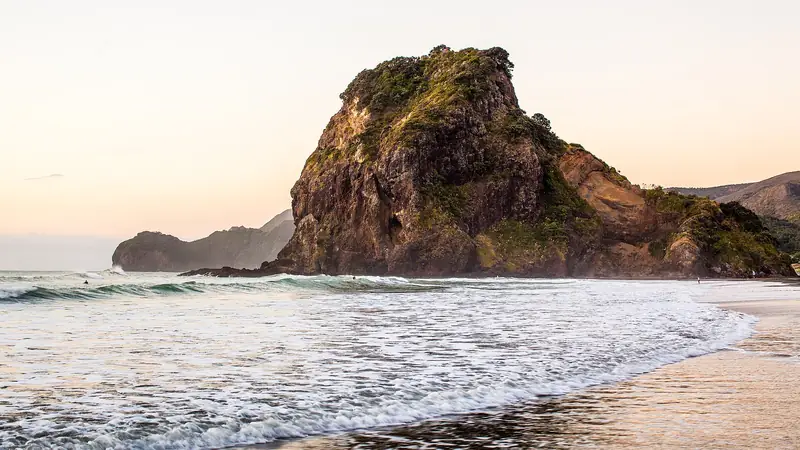
A local guide names three places where rips commonly form: the stream mouth at North Piha, around Lion Rock and the southern end of the beach. It singles out Lion Rock at low and outgoing tides for families. Tides, swell, wind and wave height keep changing the sand, so a spot that was safe last week may not be today. That is why the two clubs reassess the flags daily.
Where to check surf, tides and weather
We do not publish the Piha surf report, tide times or the forecast: they change by the hour, and a guide that copied them would be wrong by lunchtime. Check a live surf forecast and webcam, a tide table, and the weather forecast for the Auckland west coast on the day of your visit. For anything else, ask the lifeguards; in an emergency call 111. Patrol seasons differ between sources, so confirm with Piha Surf Life Saving Club or United North Piha.
Planning around it
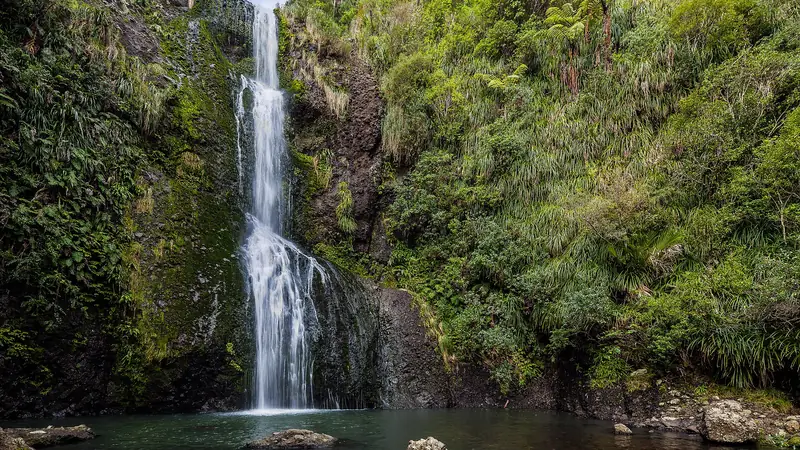
Surfing and surf lessons run from the village; we found no operator page we could read, so ask locally. Non-swimmers will like the forest instead: Kitekite Falls is the best-known short walk. If you want to stay overnight, see Piha camping or where to stay.
Frequently asked questions
Is it safe to swim at Piha?
Only between the flags while lifeguards are on duty. Wikipedia says rip currents are unpredictable, and a local guide says to watch the sea for at least ten minutes first and to be cautious in big surf.
Where are the rips at Piha?
A local guide says they commonly form near the North Piha stream mouth, around Lion Rock and at the southern end, and cautions families about Lion Rock at low and outgoing tides. They move, so lifeguards reassess daily.
What do I do if I am caught in a rip?
The local guide says to stay calm, float, raise an arm to signal for help and swim parallel to the beach.
Where do I find the Piha surf report, tides and weather?
Those numbers change hourly, so we do not publish them. Use a live surf forecast, a tide table for Piha and the national weather service on the day, and ask the lifeguards on the beach.
Some links are affiliate links: if you book through them we earn a small commission at no extra cost to you. It funds the research behind this site.